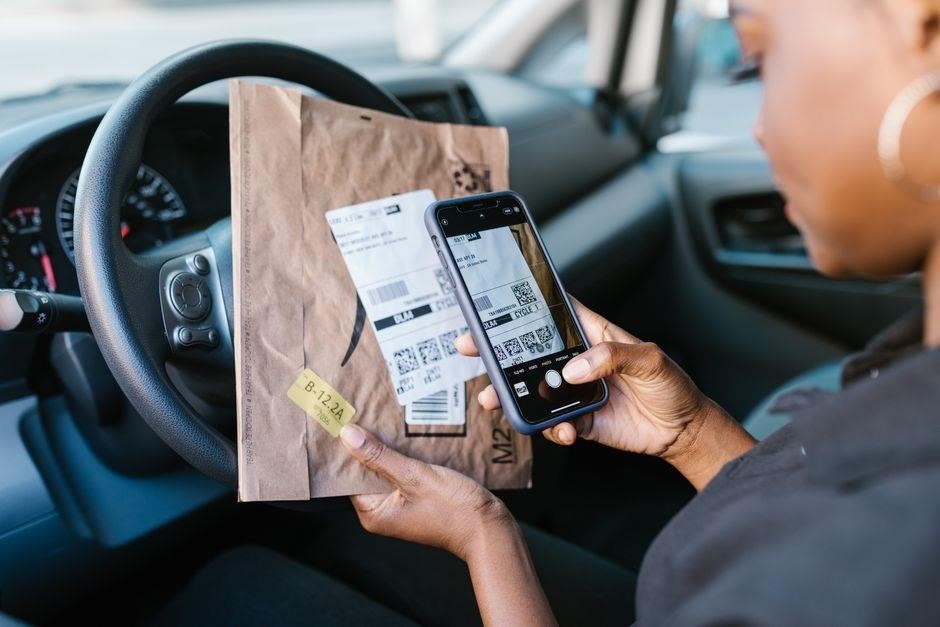
Overview of 4×6 Shipping Label PDF
Sample 4×6 shipping label PDFs combine concise address blocks‚ barcodes‚ and branding․ They fit standard envelopes‚ support auto‑printing‚ and maintain legibility across printers․ Designers use vector layers for crisp logos‚ while shipping software auto‑fills data․ This meets carrier standards․ 2026․

Definition and Purpose
In the logistics ecosystem‚ a 4×6 shipping label PDF serves as a digital blueprint that translates essential shipment data into a printable format․ The label’s dimensions—four inches wide by six inches tall—are chosen to align with the most common commercial envelopes and to provide ample space for carrier barcodes‚ routing numbers‚ and sender‑receiver information․ The PDF format preserves vector graphics‚ ensuring that logos and QR codes remain sharp at any resolution‚ while text fields are encoded as selectable layers that can be automatically populated by order‑management systems․ By embedding a machine‑readable barcode or a 2D Data Matrix‚ the label guarantees that carriers can quickly scan and route packages‚ reducing manual entry errors․ The purpose of a sample 4×6 shipping label PDF is therefore twofold: first‚ to standardize the appearance and content of shipping documentation across diverse platforms; second‚ to streamline the printing workflow so that businesses can generate compliant labels in bulk with minimal setup time․ This approach not only enhances operational efficiency but also supports regulatory compliance‚ as many carriers require specific label layouts for customs and domestic shipping․ Ultimately‚ the 4×6 PDF becomes a versatile asset that bridges the gap between digital order data and physical shipping reality․ Adding a QR code or 2D matrix enables instant carrier scanning‚ cutting manual entry time and boosting shipment throughput․!!!

PDF Advantages for Shipping Labels
PDFs lock layout‚ preserve vector logos‚ embed barcodes‚ ensuring carrier‑approved prints․ They auto‑populate from e‑commerce platforms and support bulk printing without re‑formatting․ Reliability‚ speed‚ and audit trails are guaranteed․ and trace․ audit․
Consistency and Security
In the realm of 4×6 shipping label PDFs‚ consistency and security intertwine to form a robust foundation for reliable logistics․ By embedding vector graphics‚ fixed fonts‚ and standardized barcode modules‚ each label retains pixel‑perfect fidelity across printers‚ operating systems‚ and geographic regions․ This uniformity eliminates mis‑alignment errors that could trigger carrier rejections or customs delays․ Security is reinforced through PDF encryption‚ allowing only authorized personnel to modify or view the document․ Digital signatures validate the authenticity of the label‚ ensuring that the data has not been tampered with during transmission or storage․ Furthermore‚ the use of checksum algorithms embedded within the barcode guarantees that the scanned information matches the intended shipment details‚ preventing fraud or accidental misrouting․ Combined‚ these measures provide a single‚ auditable trail that satisfies compliance requirements‚ protects customer privacy‚ and upholds the integrity of the supply chain․ The result is a streamlined‚ error‑free shipping process that delivers confidence to merchants‚ carriers‚ and end‑customers alike․ Because every element is locked within the PDF‚ the label resists accidental edits‚ ensuring that the carrier’s scanner reads the exact data intended by the shipper․ In addition‚ the PDF’s metadata can store shipment tags‚ handling instructions‚ and even electronic customs declarations‚ all of which are read by modern logistics software without manual intervention․
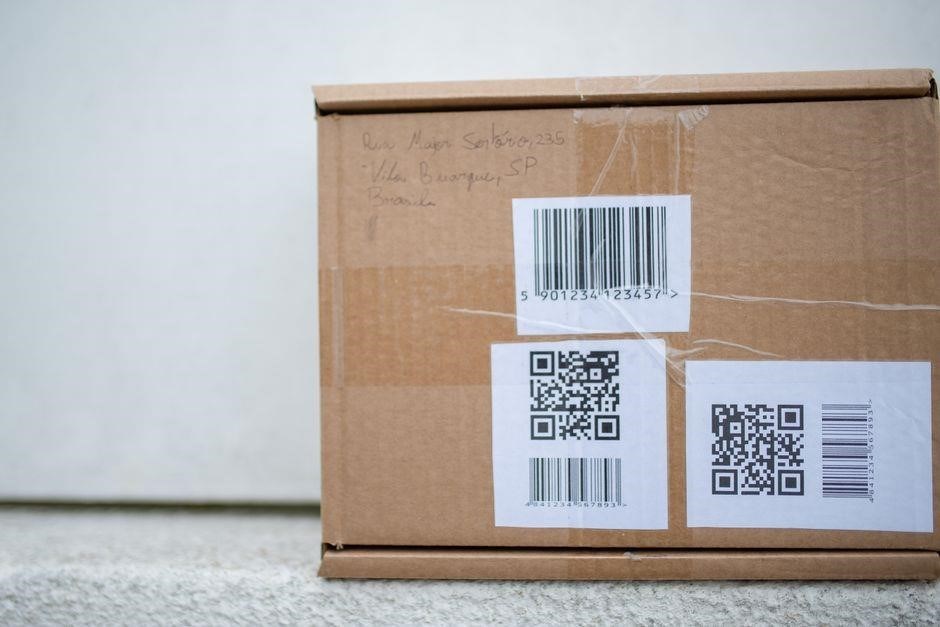
Physical Specifications of 4×6 Labels
4×6 shipping labels measure 4 inches by 6 inches‚ with a printable area of 3․75×5․5 inches after accounting for bleed․ Standard ISO 216 paper stock‚ 80 gsm‚ ensures durability‚ while a 300 dpi resolution guarantees crisp barcodes and text․—2026—2026
Dimensions and Printable Area
The standard 4×6 label measures 4 inches wide by 6 inches tall‚ providing a total area of 24 square inches․ Printing guidelines recommend a 0․125‑inch margin on all sides‚ leaving a printable zone of 3․75 inches by 5․5 inches․ This space accommodates address fields‚ carrier barcodes‚ and branding․ The bleed area ensures no white edges after trimming․ For high‑resolution output‚ designers set 300 dpi‚ yielding 900 × 1‚650 pixels․ When using PDF‚ the vector layers for logos and text remain sharp regardless of scaling․ The printable area is defined in the PDF’s page box settings‚ typically the MediaBox minus the bleed․ Many shipping software packages automatically adjust the template to match the chosen printer’s printable area‚ preventing misalignment․ It’s essential to verify that the PDF’s dimensions match the physical label size‚ as a mismatch can cause cut‑off or mis‑printed barcodes․ Standard ISO 216 paper stock‚ 80 gsm‚ is commonly used‚ offering durability while remaining lightweight for carrier handling․ The 4×6 format is favored for its balance between information density and readability‚ making it ideal for domestic and international parcels that require clear address and tracking data․
Designers embed QR codes linking to shipment tracking pages‚ letting recipients scan for updates․ The PDF template reserves a small margin for stamps or handwritten notes․ Exporting with PDF/A‑1b ensures archival quality․ Test prints on sample stock before mass production to catch issues

Typical Use Cases for 4×6 Labels
Small businesses use 4×6 PDFs for quick‚ cost‑effective shipping․ They fit standard envelopes‚ reduce material waste‚ and allow bulk printing․ E‑commerce platforms auto‑populate data‚ while warehouses print labels en masse‚ ensuring accurate tracking and compliance․ Supports efficient logistics․
E-commerce and Small Businesses
Sample 4×6 shipping label PDFs are a staple for e‑commerce merchants and boutique retailers․ Their compact size fits the most common 4×6 envelope‚ allowing businesses to print dozens of labels on a single sheet without wasting paper․ The PDF format preserves vector graphics‚ ensuring logos and barcodes remain sharp at any resolution․ Many platforms‚ such as Shopify‚ WooCommerce‚ and Etsy‚ provide built‑in export tools that generate ready‑to‑print PDFs‚ automatically inserting order details‚ shipping addresses‚ and carrier‑specific barcodes․ Small businesses appreciate the ability to batch‑print labels during off‑peak hours‚ reducing printer load and saving ink․ The PDFs can be customized with brand colors‚ fonts‚ and watermarks‚ giving a professional appearance to every shipment․ Additionally‚ the file can be stored in cloud services for easy sharing with fulfillment partners or printed on demand․ Because the PDF is a universal format‚ it works seamlessly with most thermal and inkjet printers‚ and the size is compatible with standard shipping boxes and envelopes․ 4×6 label PDFs scale operations and cut costs quick․ This flexibility makes 4×6 label PDFs an essential tool for scaling operations while keeping costs low․ Moreover‚ the PDF format supports embedding QR codes‚ which many carriers now accept for automated sorting․ By including a QR code alongside the traditional linear barcode‚ merchants can reduce scanning errors and speed up processing at fulfillment centers․ The ability to embed metadata‚ such as tracking numbers and shipment dates‚ directly into the PDF ensures that the label remains accurate even if the order information changes before printing․ The PDF’s scalable design allows for bulk label generation‚ which is good for big sellers․

Software Choices for PDF Creation
Sample 4×6 PDF labels are created using dedicated label printers‚ software like ZebraDesigner‚ or design tools such as Adobe Illustrator and InDesign․ E‑commerce platforms export PDFs directly‚ while small shops use free tools like Canva or Microsoft Word․ Compatibility and scalability are key․
Dedicated Label Printers vs Design Software
When producing sample 4×6 shipping label PDFs‚ the choice between dedicated label printers and general design software hinges on workflow‚ precision‚ and scalability․ Dedicated printers such as Zebra ZD420 or Dymo LabelWriter 450 use proprietary label software that automatically aligns barcodes‚ text‚ and logos to the 4×6 format․ These tools provide real‑time preview‚ error checking‚ and direct printing‚ reducing manual setup and ensuring compliance with carrier specifications․ They also support bulk printing and integration with shipping APIs‚ allowing automated label generation from order systems․ However‚ they can be limited in creative flexibility; custom graphics must be imported as raster images‚ and advanced typography options are minimal․ General design software—Adobe Illustrator‚ InDesign‚ Affinity Designer‚ or even free tools like Canva—offers full vector control‚ allowing designers to craft intricate logos‚ brand colors‚ and typographic styles․ These programs export clean PDFs with embedded fonts and barcode plugins‚ ensuring high resolution on any printer․ They also allow batch processing via scripts or data merge‚ making them suitable for small to medium volumes․ The trade‑off is a steeper learning curve and the need to manually set up label dimensions‚ bleed‚ and printer profiles․ For businesses that prioritize brand consistency and creative control over speed‚ design software is ideal; for high‑volume shippers seeking reliability and speed‚ dedicated label printers remain the preferred solution․ Additionally‚ dedicated printers often include firmware updates that adapt to new carrier regulations‚ while design software relies on user updates․ Maintenance costs differ: printers require consumables like ribbons or ink‚ whereas design software requires licensing fees or subscription costs․ Choosing between them depends on volume‚ brand requirements‚ and IT resources․ The integration of barcode scanners and RFID tags further enhances tracking accuracy‚ while cloud‑based label management systems enable real‑time updates across multiple shipping platforms Users can also customize QR codes for additional data capture‚ improving inventory visibility and customer engagement

Sample PDF Templates and Resources
Free 4×6 PDF templates are available on sites like Canva‚ Avery‚ and Etsy․ Paid options from Envato or TemplateMonster offer custom branding‚ barcode fields‚ and multi‑language support․ Download‚ edit in Illustrator‚ and export for high‑resolution printing․ Ideal for businesses and dropshippers․!!
Free and Paid Templates

For 4×6 shipping label PDFs‚ free templates are plentiful on Canva‚ Avery‚ and Google Drive․ They provide editable PDFs with a standard address block‚ barcode slot‚ and branding space‚ making them ideal for quick‚ low‑budget projects․
Paid templates from Envato Elements‚ TemplateMonster‚ and Creative Market offer richer designs․ These include multiple color schemes‚ advanced typography‚ and pre‑formatted QR codes that meet carrier specs․ Bundled assets like logos and icons help create a polished look with minimal effort․
Both free and paid options support vector editing in Illustrator or Inkscape‚ ensuring crisp graphics at any scale․ Exporting to PDF/X‑1a guarantees print‑ready quality‚ while bleed and crop marks aid precise cutting on label printers․
Choosing between free and paid templates hinges on budget‚ branding needs‚ and customization level․ Leveraging these resources streamlines label production‚ maintains consistency‚ and meets carrier compliance․
When selecting a template‚ pay attention to licensing terms․ Free resources often come with a non‑commercial clause‚ while paid licenses allow commercial use and multiple revisions․ Many paid templates also provide a style guide‚ ensuring that logos‚ fonts‚ and color palettes stay consistent across all shipments․ Additionally‚ test print a single label on the intended paper stock to confirm alignment and barcode readability before mass production․ Speed up shipping․
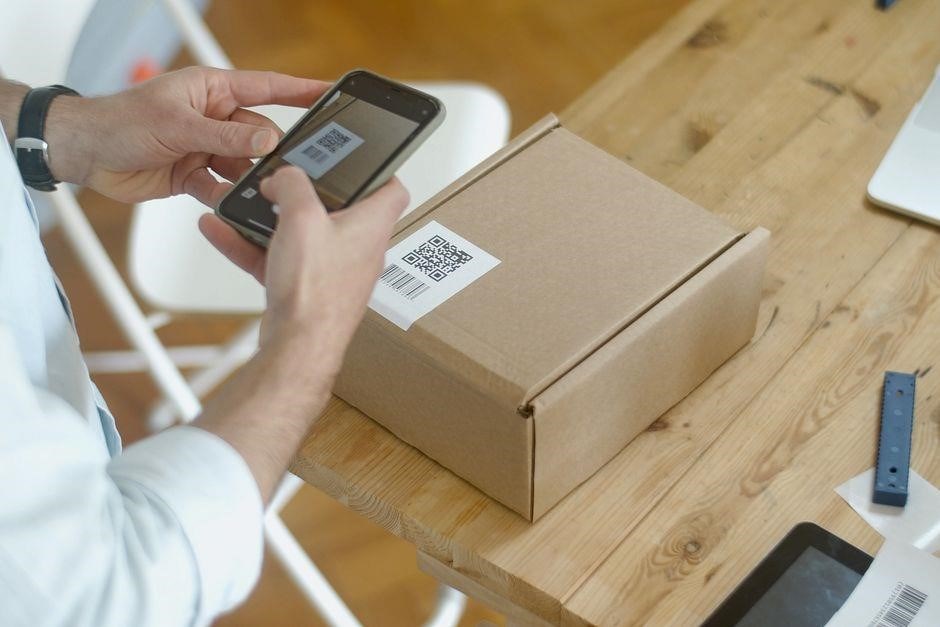
Printing and Quality Tips for 4×6 Labels
Use high‑resolution PDF/X‑1a files‚ set printer to “high quality” mode‚ and choose 120 lb cardstock․ Align the label to the bleed edge‚ check the barcode with a scanner‚ and test a sample before full run․ Keep fonts below 10 pt for readability․ Print at 300 dpi and use a hot printer for durability․
Printer Settings and Material
When printing 4×6 shipping label PDFs‚ selecting the correct paper type and printer settings is crucial for durability and compliance with carrier guidelines․ Use a high‑quality‚ 120‑lb matte cardstock or specialized label stock that supports inkjet or laser output․ Set the printer to “high‑resolution” or “best” mode‚ ensuring a minimum of 300 dpi for sharp text and barcode readability․ Enable borderless printing if your printer supports it‚ and adjust the scale to 100 % to avoid distortion․ For laser printers‚ choose a toner‑based setting; for inkjet‚ use a dry‑ink or pigment‑based ink to prevent smearing․ Verify that the PDF is saved in PDF/X‑1a format to preserve vector elements and color profiles․ Before a full run‚ print a test sheet to confirm that the barcode scans correctly and that the address block aligns within the printable area․ If using a thermal printer‚ ensure the label adhesive is compatible with the printer’s heat profile․ Finally‚ store printed labels in a cool‚ dry environment to maintain adhesion and prevent curling․ For optimal results‚ calibrate the printer’s color profile to match the label stock’s color gamut‚ and perform a test print on a sample label to verify alignment before a full batch․ Additionally‚ use a high‑resolution scanner to verify that the barcode meets the required error‑correcting level‚ ensuring that even if the label is slightly damaged‚ it remains scannable․ Remember to keep the printer updated for performance․