
Sawhorse Plans PDF: A Comprehensive Guide
Discover a wealth of sawhorse plans readily available in PDF format, offering diverse designs from basic to advanced. These plans cater to various needs,
including space-saving options and those designed for handling sheet goods.
Explore collections like the 39 free plans from The Tool Crib, or the strong, cheap, and easy design from Instructables, all often downloadable as convenient PDF guides.
Access detailed instructions and diagrams, enabling you to build sturdy, long-lasting sawhorses for your workshop with ease, utilizing scrap plywood and readily available resources.
Sawhorses are fundamental supports in any workshop, serving as versatile work surfaces for cutting, assembling, and a multitude of other tasks. Historically simple in design, they’ve evolved into customizable tools catering to diverse woodworking needs. The core function remains consistent: providing a stable, elevated platform. However, modern sawhorse designs, often detailed in readily available PDF plans, offer enhanced features like adjustable height, built-in tool holders, and increased weight capacity.
Understanding the basics is crucial before diving into construction. A typical sawhorse consists of legs connected by horizontal supports, forming a sturdy, three or four-legged structure. The simplicity of this design lends itself perfectly to DIY projects, with countless PDF plans available online; These plans range from incredibly basic, utilizing minimal materials and tools, to more complex designs incorporating advanced joinery techniques.
The availability of free sawhorse plans in PDF format has democratized woodworking, allowing enthusiasts of all skill levels to create functional and durable work supports. Whether you need a simple pair for occasional use or a robust set for a professional workshop, a suitable plan awaits, often downloadable and printable for immediate use.
Why Build Your Own Sawhorses?
Constructing your own sawhorses offers significant advantages over purchasing pre-made options. Primarily, it’s a cost-effective solution, especially when utilizing readily available scrap wood or affordable lumber. Numerous PDF plans cater to budget-conscious builders, emphasizing simplicity and minimal material requirements. Beyond cost savings, building allows for complete customization. You can tailor the height, width, and weight capacity to perfectly suit your specific needs and workspace.
Furthermore, DIY sawhorses can be designed for specific tasks. For example, plans exist for sawhorses optimized for handling sheet goods, or mobile carpenter benches offering increased functionality. Accessing PDF plans unlocks a vast library of designs, empowering you to choose the ideal configuration. The satisfaction of building a functional tool with your own hands is also a compelling reason.
Finally, many PDF plans emphasize stackable designs, maximizing storage space in crowded workshops. This feature alone can justify the effort, transforming bulky sawhorses into a compact, easily storable unit. The ability to adapt and improve upon existing plans is another benefit of the DIY approach.
Essential Materials for Sawhorse Construction
The core material for most sawhorse builds, as detailed in numerous PDF plans, is lumber – typically 2x4s are a popular and economical choice. Plywood is frequently incorporated, particularly for bracing or creating wider support surfaces, often utilizing scrap pieces to minimize cost. The specific dimensions and quantity will vary based on the chosen plan, readily outlined within the PDF documentation.
Fasteners are crucial; wood screws are preferred for their holding power, with various lengths needed for different connections. Nails can be used, but screws generally provide a more robust and durable joint. Wood glue is also highly recommended to enhance the strength and longevity of the sawhorses, complementing the mechanical fastening.

Depending on the plan, you might also require materials for feet – rubber or plastic caps prevent slipping and protect flooring. Some designs incorporate metal brackets for added reinforcement. PDF plans will clearly list all necessary materials, often including a cut list to optimize lumber usage and reduce waste, ensuring a streamlined building process.
Tools Required for Building Sawhorses
Successfully executing sawhorse plans, often found as downloadable PDF guides, necessitates a basic set of woodworking tools. A circular saw or miter saw is essential for accurately cutting lumber to the dimensions specified in the plans. A drill/driver is crucial for pre-drilling holes and driving screws, ensuring secure and lasting joints.
Measuring tools – a tape measure, combination square, and level – are vital for precise layout and assembly. Clamps are highly recommended to hold pieces together while the glue dries and screws are driven, improving joint strength and alignment. A speed square aids in marking accurate 90-degree angles.
Safety equipment is paramount; safety glasses protect your eyes from flying debris, and hearing protection is advisable when using power tools. Some PDF plans may suggest additional tools for specific features, but the core set listed above will cover the majority of builds, allowing you to construct sturdy and reliable sawhorses.
Types of Sawhorse Plans
Explore diverse sawhorse plans in PDF format, ranging from basic, free designs to space-saving and specialized options for sheet goods and mobile benches.
Discover stackable designs and plans catering to specific workshop needs, readily available for download and easy implementation.
Basic & Free Sawhorse Plans
Embark on your sawhorse building journey with readily accessible, free sawhorse plans often available as downloadable PDF guides. These plans typically prioritize simplicity and affordability, making them ideal for beginners or those seeking a quick and economical solution.
The Tool Crib showcases a collection of these basic designs, offering a starting point for your workshop needs. These plans generally utilize readily available lumber and require minimal tools, focusing on straightforward construction techniques.
Expect designs emphasizing ease of assembly, often employing simple cuts and joinery methods. Many PDF plans provide clear diagrams and step-by-step instructions, guiding you through the process from material selection to final assembly.
These plans are perfect for general-purpose use, supporting various projects around the workshop. While they may not feature advanced functionalities like adjustable height or built-in tool holders, they provide a solid and reliable foundation for your woodworking endeavors. Download these PDF resources and begin building today!
Space-Saving Sawhorse Designs
Maximize your workshop’s limited space with ingenious space-saving sawhorse designs, frequently found as downloadable PDF plans. These plans prioritize compact storage and efficient use of floor area, crucial for smaller workshops or those with multi-purpose spaces.
The Tool Crib highlights designs specifically addressing this need, often featuring collapsible or stackable features. These plans cleverly minimize the footprint when not in use, allowing for greater flexibility within your workspace.
Expect to find plans incorporating folding mechanisms or interlocking components, enabling easy disassembly and compact storage. PDF guides will typically detail these features with clear diagrams and instructions, ensuring a smooth building process.
These designs are ideal for hobbyists or DIY enthusiasts who require portable and storable sawhorses. While potentially requiring slightly more complex construction than basic plans, the benefits of space optimization are significant. Download a PDF plan and reclaim your workshop space!
Sawhorses for Sheet Goods
Handling large sheet materials like plywood or MDF requires specialized sawhorses designed for stability and support. Fortunately, numerous PDF plans cater specifically to this need, ensuring safe and efficient material processing.
The Tool Crib’s collections often include designs featuring extended support arms or notched legs, providing a wider and more secure platform for sheet goods. These features prevent bowing or tipping during cutting and assembly.
PDF plans for these sawhorses typically emphasize robust construction and reinforced joints to withstand the weight and stress of heavy materials. Look for plans detailing the use of thicker lumber and secure fastening methods.
Consider designs incorporating non-slip surfaces or rubber padding to protect the sheet goods from scratches and ensure a firm grip. Download a detailed PDF plan and build sawhorses that will significantly improve your sheet good workflow, enhancing both safety and precision.
Mobile Carpenter Bench Sawhorses
Combining the functionality of sawhorses and a mobile workbench offers exceptional versatility in the workshop. Several PDF plans detail how to construct sawhorses specifically designed to support a removable workbench top, creating a portable workstation.
The Tool Crib highlights the need for a mobile carpenter bench, and corresponding sawhorse plans often feature robust frames capable of supporting significant weight and movement. PDF guides will illustrate secure locking mechanisms for the benchtop.
Look for plans that incorporate features like integrated tool storage or adjustable height settings for added convenience. These mobile setups are ideal for smaller workshops or projects requiring frequent relocation.
Download a comprehensive PDF plan and build a set of mobile carpenter bench sawhorses to transform your workspace. This setup provides a stable cutting surface, ample work area, and easy portability, streamlining your projects and maximizing efficiency.
Construction Techniques & Plans
Explore diverse PDF plans detailing techniques like stacking, plywood usage, and the “Strong, Cheap & Easy” method. PDF guides offer step-by-step instructions for building robust sawhorses.
Discover how to efficiently assemble sawhorses, utilizing readily available materials and tools, as outlined in downloadable PDF construction guides.
The “Strong, Cheap & Easy” Sawhorse Plan
This remarkably popular plan, frequently found as a PDF download on platforms like Instructables, prioritizes simplicity and affordability without sacrificing structural integrity. It’s a go-to solution for makers needing reliable sawhorses quickly and economically.
The core of this design revolves around readily available lumber, often 2x4s, and straightforward cuts. PDF guides typically include detailed diagrams illustrating the precise angles and dimensions required for each component, ensuring accurate assembly. The plan emphasizes a robust joint construction, often utilizing screws for a secure and lasting hold.
A key advantage highlighted in the PDF instructions is the inherent stackability of these sawhorses. The design allows for efficient storage when not in use, minimizing workshop clutter. Many PDF versions also include modifications for added features, such as incorporating a notch for holding lumber securely. PDF plans often detail material lists and estimated costs, making project budgeting straightforward; This plan is ideal for beginners due to its clear instructions and minimal complexity.
Ultimately, the “Strong, Cheap & Easy” plan, accessible through numerous PDF resources, delivers a practical and dependable solution for any workshop.
Stackable Sawhorse Designs
Stackable sawhorse plans, commonly available as PDF downloads, address a critical workshop concern: space optimization. These designs prioritize efficient storage, allowing you to reclaim valuable floor area when the sawhorses aren’t actively in use.
PDF guides for stackable designs often feature interlocking leg configurations or cleverly angled supports. These features enable the sawhorses to nest neatly within each other, minimizing their footprint. The plans typically emphasize robust construction to ensure stability even when stacked, often utilizing strong joinery techniques detailed in the PDF instructions.
Many PDF resources showcase variations in stackability, from simple designs that stack directly on top of each other to more complex systems involving angled slots or recessed areas. Detailed diagrams within the PDFs illustrate the precise angles and dimensions required for successful stacking. PDF plans frequently include material lists and cost estimations, aiding in project planning.
Choosing a stackable design, readily accessible through PDF plans, is a smart investment for workshops of any size, maximizing space and enhancing organization.
Using Plywood in Sawhorse Construction
Plywood is a frequently recommended material in many sawhorse plans PDF guides, prized for its affordability, availability, and workability. These PDF resources often highlight plywood’s suitability for creating strong, yet lightweight sawhorses, perfect for various workshop tasks.
PDF plans utilizing plywood typically detail specific grades and thicknesses best suited for sawhorse construction. Common recommendations include using exterior-grade plywood for increased durability and resistance to moisture. Detailed cutting lists within the PDFs minimize waste and ensure efficient material usage.
Many PDF guides demonstrate techniques for reinforcing plywood sawhorses, such as adding internal bracing or using multiple layers of plywood laminated together. These methods enhance load-bearing capacity and prevent warping. The PDF instructions often include diagrams illustrating proper bracing techniques.
Accessing PDF plans simplifies the process of building plywood sawhorses, providing clear instructions and material lists. Plywood offers a cost-effective and versatile solution for creating reliable workshop supports.

Detailed Step-by-Step Instructions (PDF Focus)
PDF sawhorse plans excel in providing comprehensive, step-by-step instructions, often accompanied by detailed diagrams and illustrations. These PDF guides break down the construction process into manageable stages, making it accessible for builders of all skill levels.
The strength of a PDF plan lies in its clarity. Instructions typically begin with a complete materials list and tool requirements, followed by precise cutting dimensions. Each step is clearly outlined, often with accompanying images demonstrating proper technique.
Many PDFs feature exploded views, showcasing how the various components fit together. This visual aid is invaluable for understanding the overall structure and ensuring accurate assembly. PDF guides also frequently include safety precautions to emphasize safe working practices.
Downloading a PDF plan allows for convenient offline access and printing, enabling builders to reference the instructions directly in their workshop. The detailed nature of these PDFs minimizes errors and maximizes the chances of a successful build.

Advanced Sawhorse Features
Explore PDF plans showcasing adjustable height, built-in tool holders, and heavy-duty designs. Discover innovative features enhancing functionality and convenience for demanding workshop tasks.
Utilize these plans to create customized sawhorses tailored to specific project needs, maximizing efficiency and workspace organization with advanced capabilities.
Adjustable Height Sawhorses

Unlock versatility in your workshop with adjustable height sawhorse plans, often available as downloadable PDF guides. These designs cater to a wide range of projects, eliminating the need for multiple sets of sawhorses at fixed heights.
PDF plans typically detail mechanisms utilizing telescoping legs, ratcheting locks, or pin systems to achieve precise height adjustments. This adaptability is invaluable when working with materials of varying thicknesses or requiring different working heights for comfort and ergonomics.
Consider plans that incorporate robust locking mechanisms to ensure stability under load. Explore designs featuring clearly labeled diagrams and step-by-step instructions for ease of construction. Many PDF resources offer variations, from simple manual adjustments to more sophisticated, quick-release systems.
Benefits include improved workflow, reduced strain, and the ability to accommodate diverse tasks, making adjustable height sawhorses a worthwhile investment for any serious woodworker. Download a PDF plan today and elevate your workshop capabilities!

Sawhorses with Built-in Tool Holders
Maximize workshop efficiency with sawhorse plans incorporating integrated tool holders, frequently found as detailed PDF downloads. These innovative designs keep essential tools readily accessible, streamlining your workflow and minimizing interruptions during projects.
PDF plans showcase various tool-holding solutions, including slots for handsaws, pegs for screwdrivers, and even dedicated spaces for measuring tapes and pencils. Some designs feature adjustable or removable holders to accommodate different tool sizes and preferences.
Consider plans that prioritize tool security, ensuring items remain firmly in place during use. Explore designs utilizing durable materials and robust construction techniques. Many PDF resources offer customizable options, allowing you to tailor the tool holders to your specific needs.
Benefits include reduced clutter, faster tool access, and a more organized workspace. Download a PDF plan today and transform your sawhorses into multi-functional work centers, boosting productivity and convenience!
Heavy-Duty Sawhorse Plans
For demanding projects requiring substantial support, heavy-duty sawhorse plans – often available as downloadable PDF guides – are essential. These plans prioritize strength and stability, utilizing robust materials and reinforced construction techniques.

PDF resources detail designs employing thicker lumber, larger dimensions, and bracing systems to withstand significant weight and stress. Explore plans featuring mortise-and-tenon joints or metal reinforcements for enhanced durability.
Consider plans specifying pressure-treated lumber for outdoor use or environments prone to moisture. Download a PDF and carefully review material lists and cutting diagrams to ensure accurate construction.
Benefits include increased safety, reduced wobble, and the ability to handle heavy materials like large timbers or sheet goods. Invest in a well-designed, heavy-duty sawhorse, and experience the confidence of a stable and reliable work platform. These PDF plans empower you to build lasting support!

Finding & Utilizing PDF Plans
Locate numerous sawhorse plans in PDF format online, from sites like The Tool Crib, offering diverse designs. Download, print, and carefully study diagrams before beginning construction.
Utilize these PDF guides to build sturdy, reliable sawhorses tailored to your workshop needs and skill level.
Where to Download Free Sawhorse Plans (PDF)
Numerous online resources offer free sawhorse plans in easily downloadable PDF format. The Tool Crib stands out, boasting an impressive collection of 39 free plans, categorized for easy browsing. You’ll find everything from simple, basic designs to more elaborate and specialized options, all accessible with a few clicks.
Instructables is another excellent source, providing step-by-step instructions accompanied by visual aids, often available for download as a PDF. Their “Best Sawhorse ‒ Strong, Cheap & Easy!” plan is particularly popular, emphasizing affordability and simplicity. The Self-Sufficient Living also provides downloadable plans, focusing on utilizing scrap plywood for a cost-effective build.
Furthermore, The Tool Crib hosts a larger compilation, “31 More Free Plan Collections,” expanding your options even further. A quick internet search for “free sawhorse plans PDF” will also yield a variety of results from woodworking forums and individual websites. Remember to always preview the plans before downloading to ensure they meet your skill level and project requirements. Prioritize plans with clear diagrams and detailed instructions for a smoother building experience.
Understanding Sawhorse Plan Diagrams
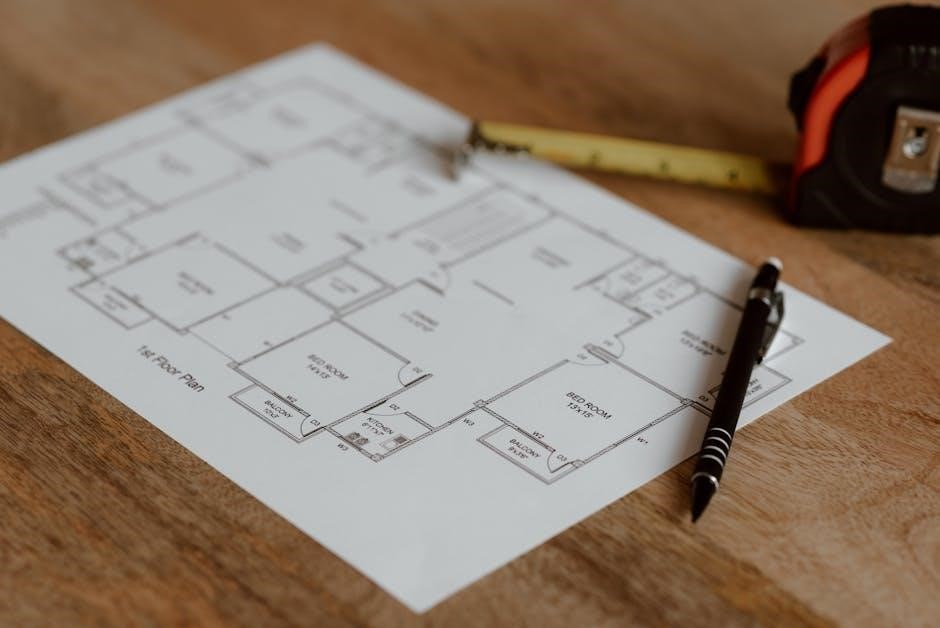
Sawhorse plans, often presented as PDFs, rely heavily on diagrams for conveying construction details. Decoding these diagrams is crucial for a successful build. Typically, you’ll encounter views from multiple angles – top, side, and perspective – illustrating the overall structure and component relationships.
Pay close attention to dimensions, usually indicated in inches or millimeters. These specify the length, width, and height of each piece. Bill of materials lists, often accompanying the diagrams, detail the quantity and size of lumber required. Look for symbols representing different types of joints – butt joints, lap joints, or angled cuts – and understand how they’re assembled.
Diagrams frequently use line weight to differentiate between visible and hidden edges. Thicker lines usually represent the visible outlines of the wood, while dashed or dotted lines indicate elements hidden from view. Understanding these conventions allows you to visualize the finished product accurately. If a diagram seems unclear, search online for tutorials explaining common woodworking diagram symbols and techniques. A little effort in understanding the plans will save you time and frustration during construction.
Customizing Sawhorse Plans to Your Needs
Downloaded sawhorse plans in PDF format often serve as excellent starting points, but don’t hesitate to tailor them to your specific workshop requirements. Consider your typical projects and the weight the sawhorses will need to support. If you frequently work with large sheet goods, reinforce the design with thicker lumber or additional bracing.
Adjusting the height is another common customization. Modify the leg length to achieve a comfortable working height for your stature. Adding features like built-in tool holders or notches for holding lumber can significantly enhance functionality. Explore incorporating stackable designs for efficient storage when not in use.
Remember to recalculate material lists and adjust the diagrams accordingly when making changes. Prioritize structural integrity – any modifications should maintain or improve the sawhorse’s stability. Don’t be afraid to experiment, but always prioritize safety and sound construction principles. A customized sawhorse, built to your exact needs, will be a valuable asset in your workshop for years to come.
Safety Considerations When Building & Using Sawhorses
When constructing sawhorses from PDF plans, prioritize safety throughout the process. Always wear appropriate personal protective equipment (PPE), including safety glasses and hearing protection, when cutting and assembling materials. Ensure your workspace is well-ventilated, especially when using adhesives or finishes.
Inspect lumber for defects like knots or cracks before cutting. Securely clamp materials during cutting and assembly to prevent movement and ensure accurate cuts. When using sawhorses, always place them on a level surface to prevent tipping. Avoid overloading the sawhorses beyond their intended weight capacity.
Be mindful of pinch points during assembly and use. Regularly inspect your sawhorses for signs of wear or damage, and repair or replace them as needed. Never stand or climb on sawhorses. A stable and well-maintained set of sawhorses is crucial for a safe and productive workshop environment.