
Understanding Peak Flow Monitoring
Peak flow monitoring is a simple‚ at-home method to measure how well air moves in and out of your lungs.
It’s a crucial component of asthma management‚ offering valuable insights into airway function.
Regular monitoring empowers individuals to proactively manage their condition and identify potential asthma flare-ups before they become severe.
What is Peak Flow?
Peak flow refers to the maximum speed at which you can forcefully exhale air from your lungs. It’s measured in liters per minute (L/min) and provides a valuable indicator of how well air is moving through your airways. Think of it as a quick check of your breathing power!
Unlike a standard breathing test performed in a doctor’s office‚ peak flow is measured using a handheld device called a peak flow meter‚ allowing for convenient monitoring at home or anywhere else. This measurement isn’t about the total amount of air you can exhale‚ but rather the fastest speed you can achieve during a forceful breath.
A lower-than-usual peak flow reading can signal that your airways are narrowing‚ potentially due to asthma symptoms‚ allergies‚ a cold‚ or other respiratory issues. Consistent monitoring helps establish your personal baseline‚ making it easier to detect subtle changes that might indicate a developing problem. Understanding your peak flow is a key step towards proactive asthma control and maintaining optimal respiratory health.
Why Monitor Peak Flow?
Monitoring your peak flow offers several crucial benefits‚ particularly for individuals managing asthma or other respiratory conditions. It allows for early detection of airway narrowing‚ often before you even experience noticeable symptoms like wheezing or coughing. This early warning system empowers you to adjust your medication and prevent a full-blown asthma attack.
Regular peak flow monitoring helps you understand what triggers your symptoms and how different factors – like allergens‚ exercise‚ or weather changes – affect your breathing. This knowledge is invaluable for creating a personalized asthma action plan‚ tailored to your specific needs.
Furthermore‚ consistent readings provide objective data for discussions with your doctor‚ allowing for more informed treatment decisions. It’s a proactive approach to respiratory health‚ shifting from reactive symptom management to preventative care. Ultimately‚ peak flow monitoring promotes better control‚ reduces emergency room visits‚ and improves overall quality of life.
Tools & Equipment for Peak Flow Monitoring
Essential tools include a peak flow meter‚ a record chart (paper or digital)‚ and potentially a diary to note any symptoms or triggers experienced.
Accuracy and consistent use of these items are vital for effective asthma or COPD management.
The Peak Flow Meter: Types & Features
Peak flow meters come in two primary types: mechanical and digital. Mechanical meters are the traditional‚ widely available option‚ utilizing a sliding marker to indicate airflow. They are generally more affordable and don’t require batteries. However‚ readings can be slightly subjective‚ relying on accurate visual interpretation.
Digital peak flow meters offer a more precise reading‚ displaying the result numerically on a screen. These often include features like memory storage for tracking trends and Bluetooth connectivity for syncing data with smartphone apps. While more expensive‚ they minimize reading errors and simplify data management.
Key features to consider when choosing a meter include its range (ensuring it’s appropriate for your age and lung capacity)‚ ease of use‚ and portability. Some meters have adjustable stops for personalized calibration. Regardless of the type‚ regular calibration is crucial for maintaining accuracy. Always follow the manufacturer’s instructions for cleaning and maintenance to ensure reliable performance and longevity of your device.
Record Charts & Apps
Traditionally‚ peak flow readings were meticulously recorded on paper charts. Printable peak flow charts (PDF) are readily available online from various asthma organizations and healthcare providers‚ offering a simple‚ visual way to track daily readings and identify patterns. These charts typically include spaces for recording date‚ time‚ peak flow value‚ and any associated symptoms.
However‚ digital solutions are increasingly popular. Numerous smartphone apps are designed specifically for peak flow monitoring‚ allowing for easy data entry‚ automated graphing‚ and personalized insights. These apps often send reminders for testing and can share data directly with your doctor.
The benefit of apps lies in their convenience and analytical capabilities. They can calculate averages‚ identify trends‚ and even predict potential asthma exacerbations. Choosing between paper charts and apps depends on personal preference and technological comfort. Both methods effectively support asthma management when used consistently and accurately.
Understanding Your Personal Best
Establishing your “personal best” peak flow reading is fundamental to effective monitoring. This represents the highest peak flow measurement you can consistently achieve when your asthma is well-controlled and you’re feeling symptom-free. Determining this value typically involves recording peak flow readings twice daily for two to three weeks‚ following your doctor’s guidance.
Utilizing a printable peak flow chart (PDF) during this period is highly recommended. It provides a clear visual record of your readings‚ making it easier to identify your consistently highest values. Once established‚ your personal best serves as a baseline for comparison.
Subsequent readings are then evaluated relative to this baseline‚ helping to determine the severity of any airway narrowing. A significant drop from your personal best indicates a potential asthma flare-up‚ triggering action according to your asthma action plan. Regularly updating your personal best‚ as advised by your doctor‚ ensures accurate monitoring.

How to Use a Peak Flow Meter Correctly
Accurate peak flow measurements require proper technique. Consistent use‚ alongside a printable peak flow chart (PDF)‚ allows for effective tracking and asthma management;
Following instructions carefully ensures reliable data for informed healthcare decisions.
Preparation Before Testing
Before each peak flow measurement‚ ensure you’re standing upright‚ as sitting or lying down can affect results. It’s best to perform the test at the same time each day‚ ideally in the morning before taking any medication‚ and again in the evening‚ if your doctor advises. This consistency provides a reliable baseline for comparison.
Make sure your printable peak flow chart (PDF) is readily available to record your readings immediately after testing. Having a pen handy is also essential! Check the peak flow meter itself for any obstructions or damage. Ensure the indicator is at the bottom of the meter before beginning.
If you use a reliever inhaler‚ take it as prescribed before testing if you’re experiencing any asthma symptoms. Note this on your chart. Avoid eating or drinking anything immediately before testing‚ as this could influence your results. Familiarize yourself with your personal best peak flow reading‚ which you’ll use as a reference point when interpreting your measurements.
Proper preparation is key to obtaining accurate and meaningful data.
Performing the Peak Flow Test – Step-by-Step
To begin‚ stand up straight and ensure the peak flow meter is held level in your hand. Take a deep breath in‚ filling your lungs completely. Place the mouthpiece firmly in your mouth‚ sealing your lips tightly around it to prevent any air leaks.
Blow out as hard and as fast as you can in a single‚ forceful exhale. Think of blowing out candles on a birthday cake! Maintain a consistent‚ powerful effort throughout the entire breath. Don’t pause or hesitate mid-blow.
Record the number displayed on the meter immediately onto your printable peak flow chart (PDF). Repeat the test two or three times‚ spacing each attempt with a few breaths to recover. Use the highest of these three readings as your official measurement for that session.
Remember to clean the mouthpiece after each use‚ following the manufacturer’s instructions. Consistent technique is vital for accurate results.
Reading and Recording Your Results
After performing the peak flow test‚ carefully note the number displayed on the meter. This represents your peak expiratory flow rate (PEFR)‚ measured in liters per minute (L/min). Immediately transfer this value onto your printable peak flow chart (PDF)‚ accurately filling in the date and time of the measurement.
Consistent recording is crucial for tracking trends. Many charts include sections for morning and evening readings‚ allowing you to monitor variations throughout the day. Note any symptoms you’re experiencing alongside your PEFR – such as wheezing‚ coughing‚ or shortness of breath – as this provides valuable context.
Regularly review your chart with your doctor. They can help you interpret the data‚ identify patterns‚ and adjust your asthma management plan accordingly. A well-maintained chart is a powerful tool for proactive asthma control.
Frequency of Peak Flow Monitoring
The ideal frequency of peak flow monitoring varies depending on individual needs and your doctor’s recommendations. Initially‚ daily monitoring – typically morning and evening – is common‚ especially when establishing your personal best and creating an asthma action plan. Utilize your printable peak flow chart (PDF) to diligently record these readings.
Once your asthma is well-controlled‚ your doctor may suggest reducing the frequency to a few times a week. However‚ increase monitoring during periods of illness (like a cold or flu) or when experiencing asthma symptoms. Consistent tracking on your chart helps identify early warning signs.
Remember‚ the goal is to proactively manage your asthma. Regular monitoring‚ coupled with careful chart review with your physician‚ empowers you to stay ahead of potential flare-ups and maintain optimal lung health.

Interpreting Your Peak Flow Readings
Analyzing your peak flow data‚ recorded on your printable peak flow chart (PDF)‚ reveals trends in lung function. This helps assess asthma control and guide treatment.
Understanding these readings empowers proactive management and informed discussions with your healthcare provider.

Peak Flow Zones: Green‚ Yellow‚ and Red
Peak flow zones – Green‚ Yellow‚ and Red – are visually represented on your printable peak flow chart (PDF)‚ providing a quick assessment of your asthma control. The Green Zone (80-100% of your personal best) indicates excellent control; continue your regular medication and monitoring.
The Yellow Zone (50-79% of your personal best) signals caution. It suggests your airways are narrowing‚ and you should follow your asthma action plan‚ potentially increasing medication dosage as prescribed by your doctor. Consistent readings in the Yellow Zone warrant a medical consultation.
The Red Zone (below 50% of your personal best) signifies severe airway obstruction and a medical emergency. Immediate action is required – use your rescue inhaler and seek emergency medical attention without delay. Your printable peak flow chart (PDF) clearly delineates these zones‚ aiding rapid interpretation and appropriate response.
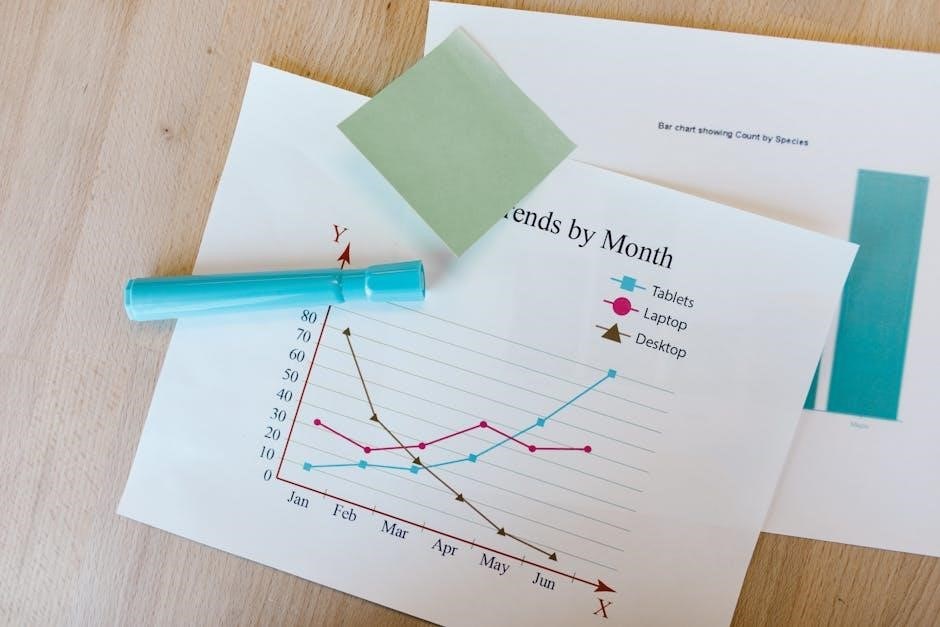
These zones are personalized based on your individual baseline‚ making the chart a vital tool for self-management.
What Do the Zones Indicate?
The zones on your printable peak flow chart (PDF) aren’t arbitrary; they directly reflect the state of your airways. A Green Zone reading suggests open airways and effective asthma control‚ meaning your current medication regimen is working well. You can generally continue daily activities without concern.
Entering the Yellow Zone indicates some narrowing of the airways‚ often due to triggers like allergens or a mild respiratory infection. It’s a signal to proactively adjust your medication‚ as outlined in your asthma action plan‚ to prevent further deterioration. Ignoring Yellow Zone readings can lead to more severe symptoms.
The Red Zone signifies significant airway obstruction‚ indicating a serious asthma exacerbation. This requires immediate intervention with rescue medication and potentially emergency medical care. Your printable peak flow chart (PDF) helps you recognize this critical threshold and respond swiftly‚ potentially preventing a life-threatening situation.
Understanding these indicators empowers you to take control of your asthma.
Factors Affecting Peak Flow Readings
Several elements beyond your asthma control can influence your peak flow readings‚ even when using a printable peak flow chart (PDF) for consistent tracking. Time of day is significant; readings are typically lower in the morning before medication and higher in the afternoon.
Positioning during the test matters – standing is preferred for maximum effort. Environmental factors like temperature and humidity can also play a role‚ potentially narrowing airways. Recent physical activity‚ strong emotions‚ or even a cold can temporarily lower readings.
It’s crucial to note these variables when interpreting your results. A single low reading shouldn’t immediately cause alarm; consider potential contributing factors. Consistent‚ regular monitoring using your printable peak flow chart (PDF)‚ alongside awareness of these influences‚ provides a more accurate picture of your overall asthma control. Always discuss unusual patterns with your doctor.
Managing Asthma with Peak Flow Monitoring
Peak flow monitoring‚ aided by a printable peak flow chart (PDF)‚ empowers proactive asthma control. Tracking trends helps adjust medication and prevent severe attacks.
Consistent data informs better communication with your healthcare provider‚ leading to optimized asthma management strategies.
Creating a Personal Asthma Action Plan
A personalized asthma action plan is vital for effectively managing your condition‚ and a printable peak flow chart (PDF) is an invaluable tool in its creation. This plan‚ developed with your doctor‚ outlines daily medication routines‚ identifies triggers‚ and details steps to take when symptoms worsen.
Your peak flow zones – green‚ yellow‚ and red – are central to this plan. The chart visually represents these zones‚ allowing you to quickly assess your lung function. The plan will specify what actions to take based on your readings in each zone‚ such as continuing regular medication‚ adding reliever medication‚ or seeking emergency medical attention.
Using the chart consistently helps you recognize patterns and understand how different factors affect your asthma. A well-defined action plan‚ incorporating regular peak flow monitoring and a readily available printable chart‚ provides a sense of control and empowers you to respond confidently to changing asthma symptoms‚ ultimately improving your quality of life.
Responding to Changes in Peak Flow
Consistent peak flow monitoring‚ aided by a printable peak flow chart (PDF)‚ allows for prompt responses to changes in lung function. When your readings fall into the yellow zone‚ indicating some airway narrowing‚ your action plan will likely instruct you to increase your reliever medication dosage‚ as pre-defined with your doctor.
Carefully documenting these adjustments on your chart helps track effectiveness. A drop into the red zone signifies severe airway obstruction and demands immediate action – typically‚ using your reliever medication and seeking emergency medical care. The printable chart serves as a quick reference‚ preventing hesitation during critical moments.
Regularly reviewing your peak flow trends‚ visualized on the chart‚ can also reveal patterns and potential triggers. This proactive approach‚ guided by your personalized action plan and the printable chart‚ empowers you to manage asthma effectively and minimize the impact of flare-ups on your daily life.
Working with Your Doctor
Regular communication with your doctor is vital when utilizing peak flow monitoring‚ especially alongside a printable peak flow chart (PDF). Bring your completed chart to appointments; it provides a valuable visual representation of your asthma control over time‚ far exceeding simple symptom descriptions.
Discuss any consistent patterns‚ triggers identified through charting‚ or difficulties achieving your personal best. Your doctor can then refine your asthma action plan‚ adjusting medication or offering further guidance. The printable chart facilitates a more informed and productive dialogue.
Don’t hesitate to contact your doctor between scheduled visits if you experience persistent readings in the yellow or red zones‚ even after following your action plan. The printable peak flow chart (PDF) isn’t a replacement for professional medical advice‚ but a powerful tool to enhance collaborative asthma management.

Peak Flow Monitoring for Different Age Groups
Age-specific norms are crucial for interpreting peak flow readings; a printable peak flow chart (PDF) should reflect these. Children and adults have different expected ranges.
Adjusting the action plan based on age ensures effective asthma management for everyone.
Peak Flow for Children
Monitoring peak flow in children requires a slightly different approach than with adults. Their airways are smaller and more prone to inflammation‚ making consistent tracking vital. A printable peak flow chart (PDF) specifically designed for pediatric use is essential‚ as normal ranges vary significantly with age and height.
These charts often include color-coded zones – green‚ yellow‚ and red – tailored to a child’s personal best. Parents or caregivers should diligently record readings‚ noting any deviations from the established baseline. It’s crucial to teach children how to actively participate in the process‚ making it a collaborative effort.
Look for charts that clearly illustrate how to interpret the results and when to seek medical attention. Some charts also incorporate visual aids‚ like stickers or stars‚ to encourage consistent monitoring. Remember‚ early detection of changes in peak flow can prevent serious asthma exacerbations in children‚ ensuring they can continue to play‚ learn‚ and thrive.
Peak Flow for Adults
Peak flow monitoring for adults with asthma or other respiratory conditions is a proactive step towards better health management. Utilizing a printable peak flow chart (PDF) allows for consistent tracking of lung function at home‚ independent of doctor’s visits. These charts typically feature zones – green‚ yellow‚ and red – based on individual personal best readings.
Adults can take ownership of their monitoring‚ learning to recognize patterns and potential triggers. A well-designed chart will clearly indicate what actions to take based on the zone achieved‚ such as continuing medication or seeking immediate medical attention. Regular recording helps identify long-term trends and informs adjustments to asthma action plans.
Many downloadable charts offer space for noting symptoms alongside peak flow readings‚ providing a comprehensive overview of respiratory health. Consistent use of a printable chart empowers adults to actively participate in their care and maintain optimal lung function‚ leading to improved quality of life.
Resources & Further Information
Numerous websites offer free‚ downloadable printable peak flow charts (PDF). The American Lung Association and the Asthma and Allergy Foundation of America are excellent starting points.
Where to Find Printable Peak Flow Charts (PDF)
Locating reliable printable peak flow charts is straightforward. Several organizations dedicated to respiratory health provide free‚ downloadable PDFs designed for convenient tracking. The American Lung Association offers a variety of charts suitable for different needs‚ including daily logs and those specifically designed for asthma action plans. Their resources are regularly updated and medically reviewed for accuracy.
Similarly‚ the Asthma and Allergy Foundation of America (AAFA) provides accessible peak flow charts alongside comprehensive asthma management guides. You can also find printable charts on websites like Asthma UK‚ offering options tailored to different age groups.
Many healthcare providers also have printable charts available in their offices or on their patient portals. A quick online search using terms like “printable peak flow chart PDF” will yield numerous results‚ but always prioritize charts from reputable sources to ensure accuracy and reliability. Remember to choose a chart that aligns with your doctor’s recommendations and your personal asthma action plan.
Online Peak Flow Tracking Tools
Beyond printable charts‚ numerous online tools simplify peak flow monitoring. These digital platforms offer advantages like automated data logging‚ graphical representation of trends‚ and potential integration with healthcare providers. PeakFlow.ca is a dedicated website allowing users to record readings‚ view personalized graphs‚ and share data with their physicians.
Several mobile applications‚ such as AsthmaTrack and My Asthma‚ provide similar functionalities‚ enabling convenient tracking on smartphones and tablets. These apps often include features like medication reminders and asthma action plan integration. Clincio is another option‚ offering a secure platform for managing asthma data.
While these tools are convenient‚ it’s crucial to ensure data privacy and security. Discuss the use of any online tracking tool with your doctor to confirm its suitability and compatibility with your overall asthma management plan. Remember that digital tools complement‚ but do not replace‚ regular medical check-ups and adherence to prescribed medications.
Support Groups & Asthma Organizations
Connecting with others and leveraging organizational resources can significantly enhance asthma management; The Asthma and Allergy Foundation of America (AAFA) provides comprehensive information‚ educational materials‚ and support networks for individuals with asthma and their families. They offer resources on peak flow monitoring‚ asthma action plans‚ and navigating daily life with asthma.
The American College of Allergy‚ Asthma & Immunology (ACAAI) is another valuable resource‚ offering a directory of allergists and immunologists‚ as well as information on the latest asthma treatments and research. Local asthma support groups provide a safe space to share experiences‚ learn coping strategies‚ and receive emotional support from peers.
These organizations often host workshops and webinars on peak flow monitoring and asthma self-management. Participating in these activities can empower you to take control of your condition and improve your quality of life. Remember to always consult with your healthcare provider for personalized advice and treatment.