Overview of Vigil Sermon Themes
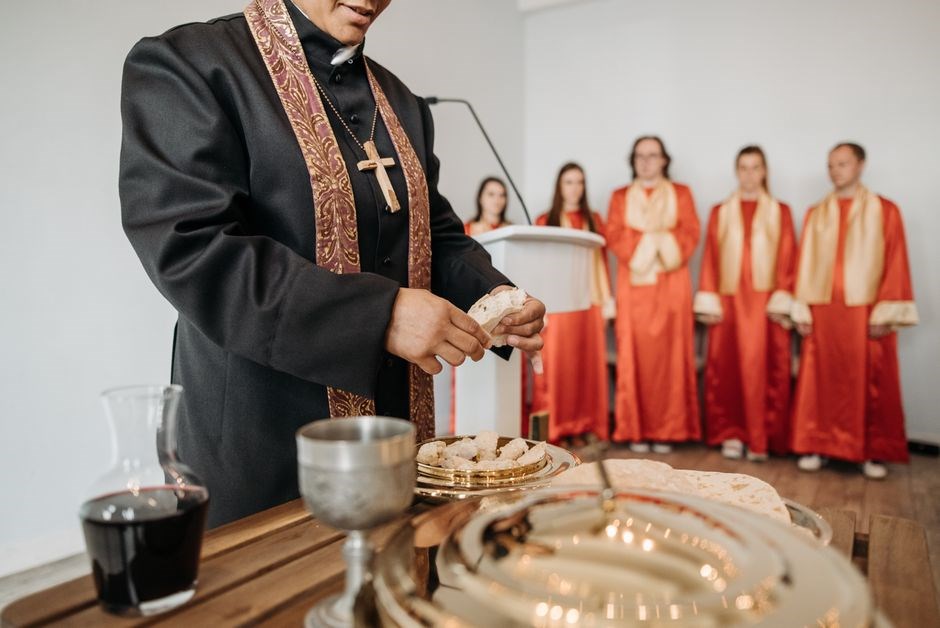
Vigil sermons focus on keeping the Holy Spirit’s lamp alight through prayers in tongues‚ echoing the Old Testament practice of priests maintaining the golden lampstand. Each believer is urged to sustain this flame‚ symbolizing continual divine presence and guidance and invites participation.!

Importance of Vigil in Worship
Vigil worship serves as a deliberate pause in the rhythm of daily life‚ inviting believers to step out of routine and enter a space of heightened spiritual awareness. By setting aside a specific time for silent reflection‚ communal prayer‚ and the reading of Scripture‚ the faithful create a sanctuary where the presence of God can be more readily perceived. This intentional focus fosters a deeper sense of unity among participants‚ as shared moments of quiet devotion break down individual barriers and reinforce collective identity. The practice also encourages personal accountability‚ prompting each person to examine their own spiritual health and to seek renewal through the Holy Spirit’s guidance. In addition‚ vigil worship can be a powerful tool for intercession‚ allowing the community to lift petitions for both local and global concerns‚ thereby extending the reach of their faith beyond the immediate congregation. Finally‚ the disciplined observance of a vigil cultivates a habit of continual prayer‚ embedding a lifelong commitment to remain in God’s presence and to respond promptly to His call. Such gatherings‚ rooted in scriptural precedent‚ remind congregants that the lamp of the Spirit is not merely a symbol but a living force that illuminates hearts‚ guides decisions‚ and strengthens communal bonds‚ ensuring that each believer‚ regardless of background‚ feels the transformative power of divine presence in tangible‚ everyday moments daily‚ always.
Choosing a Thematic Focus
When preparing a vigil sermon PDF‚ the first decision is the central theme that will guide the congregation’s hearts and minds. A strong‚ scripturally grounded focus not only sustains the vigil’s purpose but also ensures that the message resonates with believers seeking deeper intimacy with the Holy Spirit. The most compelling themes arise from the intersection of Old Testament imagery—such as the priests’ duty to keep the golden lampstand burning in the tabernacle—and New Testament teachings that empower every believer to maintain the flame through prayer in tongues. By selecting a theme that highlights the lamp of the Holy Spirit as a living‚ active presence‚ the preacher invites listeners to view the vigil as a tangible encounter with divine power. The theme should also encourage personal responsibility‚ reminding the faithful that the lamp’s light depends on their continual offering of prayer‚ worship‚ and the anointing of the Spirit. Additionally‚ a well‑chosen theme can weave in practical applications‚ such as how to cultivate a daily habit of speaking in tongues‚ how to create a quiet space for reflection‚ and how to use Scripture passages that illustrate the lamp’s symbolism. Ultimately‚ the chosen focus must be simple enough for the congregation to grasp yet profound enough to inspire lasting transformation‚ turning the vigil from a routine gathering into a transformative encounter with the living flame of the Spirit. Let the vigil ignite hope in every heart. and light.
The Lamp of the Holy Spirit: Old and New Testament Connections
The lamp of the Holy Spirit‚ rooted in the golden lampstand of the tabernacle‚ symbolizes divine presence. In the New Testament‚ believers are called to keep this lamp burning through tongues‚ mirroring the ancient priests’ duty to sustain light for all. and invites believers to ignite their flame on!.
Temple Lamps and the Golden Menorah
In the ancient sanctuary‚ the lampstand—known as the Menorah—served as a perpetual beacon of divine presence. Crafted from pure gold‚ it was set within the Tabernacle’s inner sanctum‚ where priests were charged with its constant illumination. The lamp’s oil‚ drawn from the sacred olive tree‚ was replenished daily‚ ensuring that the flame never dimmed. This ritual underscored the covenant between God and His people‚ reminding them that faith must be sustained like the lamp’s steady glow. The Menorah’s seven branches symbolized the seven days of creation‚ each branch representing a day of divine revelation. As the priests tended the lamp‚ they performed a sacred act of stewardship‚ reflecting the responsibility believers hold to nurture their own spiritual light. The lamp’s light penetrated the darkness of the wilderness‚ guiding travelers and illuminating the path to the Promised Land. In Scripture‚ the lamp is frequently associated with wisdom‚ guidance‚ and the presence of the Holy Spirit. Thus‚ the Menorah stands as a powerful visual metaphor for the continuous work of the Spirit in a believer’s life‚ urging them to keep their inner lamp burning brightly‚ even amid trials and uncertainties. and light!! In this way‚ the Menorah’s legacy endures‚ bridging the Old Testament’s tangible rituals with the New Testament’s spiritual realities‚ and inviting all to participate in the sacred duty of sustaining divine illumination within their hearts and communities.
The Lamp as a Metaphor for the Holy Spirit
Throughout Scripture‚ the lamp is linked to the Holy Spirit‚ offering an image of a power that lights the believer’s life. In the Old Testament‚ priests kept the lamp in the tabernacle burning‚ symbolizing God’s watchfulness and the promise that His Spirit would never abandon His people. In the New Testament‚ Paul describes the Spirit as a lamp that illuminates the heart‚ guiding thoughts‚ actions‚ and decisions. The lamp’s light is not merely visible but transformative‚ turning darkness into clarity and revealing truth that would otherwise remain hidden. During a vigil‚ the lamp reminds us that the Holy Spirit is present‚ even when the world seems silent or uncertain. Keeping the lamp lit—through prayer or tongues—mirrors the believer’s commitment to remain open to guidance. Just as the lamp’s flame depends on a source of oil‚ life relies on communion with the Spirit. The metaphor invites believers to become vessels of light‚ reflecting the Spirit’s glory to others and encouraging a community that shines together‚ creating a glow that dispels shadows of doubt and despair. Thus‚ the lamp’s enduring symbolism serves as a powerful tool for teaching‚ reminding congregants that the Holy Spirit is both source and sustainer of spiritual illumination‚ and that through vigilance and devotion‚ the light can never be extinguished for all in all hearts today.

Speaking in Tongues as a Spiritual Practice
In vigil services‚ speaking in tongues is seen as a d channel to the Holy Spirit‚ echoing early church practices. It is believed to strengthen faith‚ foster unity‚ and deepen personal prayer‚ allowing believers to express devotion beyond words;
Biblical Accounts of Speaking in Tongues
Early Christians recorded speaking in tongues at Pentecost when the Holy Spirit descended upon the apostles‚ causing them to utter foreign languages so that listeners from many nations could understand. In Acts 2:1‑13 the crowd heard the apostles speaking in their native tongues‚ a sign of divine empowerment. Later‚ in Acts 10‚ Peter preached to Cornelius and his household; the Spirit fell on them‚ and they spoke in tongues‚ confirming that the gift extended beyond the Jewish church. The apostle Paul addressed the gift in 1 Corinth 14‚ urging believers to use tongues for worship and for the building of the church‚ while also emphasizing the need for interpretation to edify the congregation. Paul’s own experience in Acts 19‚ when he was struck blind by a spirit‚ led him to pray for the Ephesian believers‚ who then spoke in tongues and were healed‚ illustrating the healing power of the gift. In Acts 8:14‑17‚ the disciples in Jerusalem sent Peter and John to Samaria‚ where the believers received the Holy Spirit and spoke in tongues‚ signifying the spread of the gospel. Paul also wrote in 1 Corinth 14:2 that “the one who speaks in a tongue does not speak to men but to God‚” and in 1 Corinth 14:5 that “the one who speaks in a tongue should pray for the ability to interpret.” Paul also references 1 Corinth 14:13‚ 14:22‚ 14:27‚ and 14:39‚ each emphasizing the need for interpretation and the orderly use of tongues within the church. These accounts collectively affirm tongues as a divine gift for edification and unity!
Spiritual Benefits of Tongues in Vigil Prayer
When believers gather in a vigil‚ speaking in tongues becomes a powerful conduit for the Holy Spirit’s presence‚ illuminating the worship space like a living lamp. The act of uttering unknown languages invites the Spirit to work beyond human understanding‚ fostering a deep sense of intimacy with God. Tongues in vigil prayer can strengthen the believer’s faith‚ as the experience often leads to heightened spiritual sensitivity and a sense of divine guidance; It also promotes unity among participants‚ because the shared experience of the Spirit’s gift transcends cultural and linguistic boundaries‚ creating a communal bond rooted in divine love. Moreover‚ tongues serve as a form of worship that lifts the heart to a higher realm‚ allowing the worshiper to express praise that may be beyond words. The practice can also act as a spiritual safeguard‚ protecting the heart from doubt and fear by filling it with the Spirit’s peace. Additionally‚ many testimonies report that tongues during vigil prayer bring about physical healing‚ emotional release‚ and renewed hope‚ as the Spirit’s power is believed to work through the uttered words. Finally‚ the discipline of praying in tongues encourages regular engagement with the Spirit‚ cultivating a habit of continual prayer and a readiness to respond to God’s will in any circumstance. In the quiet of the vigil‚ tongues become a bridge‚ connecting the heart to the divine‚ sustaining hope and faith.!!!
Practical Steps for Crafting a Vigil Sermon PDF

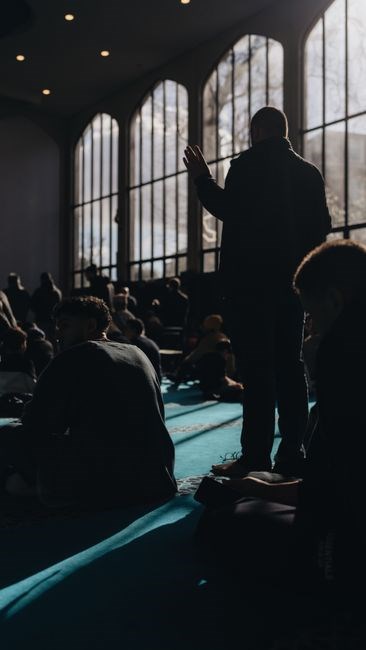
Begin by selecting Scripture that highlights the lamp of the Spirit‚ then outline key points: opening prayer‚ tongue worship‚ reflection‚ closing. Next‚ weave personal testimony to illustrate the lamp’s light. Finally‚ format cleanly‚ add headings‚ and export as PDF for sharing. Keep concise!! :)!

Researching Scripture Passages
Consult a reputable concordance to locate every occurrence of key terms such as ‘lamp’‚ ‘light’‚ ‘Spirit’‚ and ‘tongues’. Pay special attention to passages where the imagery of light is used to describe divine guidance‚ like Isaiah 42:6 and John 1:5. Use a study Bible that includes explanatory notes‚ and read the original Hebrew and Greek where possible to grasp subtle nuances. Compare different translations—NIV‚ ESV‚ KJV‚ and the New International Version—to see how wording variations affect interpretation. Incorporate insights from commentary‚ those by Henry or John Stott‚ to deepen theological understanding. Finally‚ organize the collected verses into thematic clusters‚ making it easier for listeners to see how Old Testament lampstand foreshadows the New Testament practice of speaking in tongues.
Structuring the Sermon Outline
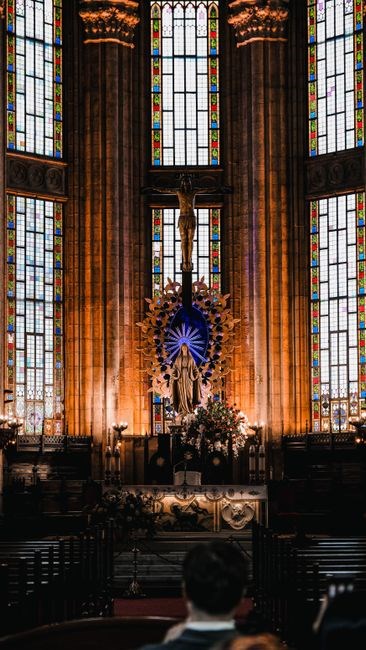
After drafting the outline‚ review it for theological consistency andthe relevance. Ensure that each point reflects the central theme and that transitions are smooth. Consider adding a brief reflection question after each point to encourage personal application. Finally‚ rehearse the sermon aloud to gauge pacing and emotional impact‚ making adjustments as needed. A well-structured outline not only guides the preacher but also equips the congregation to internalize the message and live out the call to keep the Spirit’s lamp burning for growth.
Keep the lamp burning us
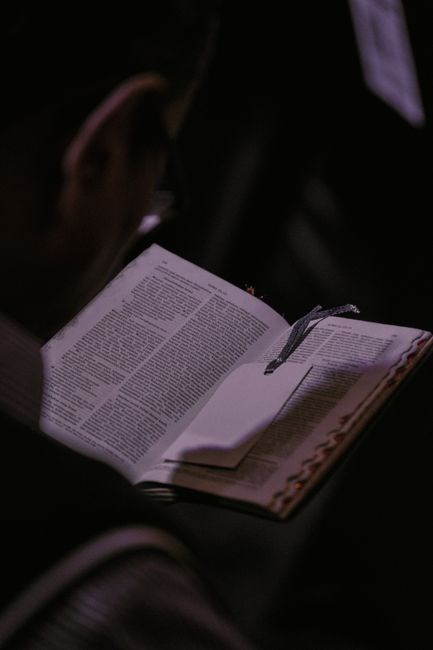
Structuring a vigil sermon balances doctrinal depth with experiential engagement. Start with a clear narrative arc: an opening that places the congregation in the biblical context of the vigil‚ a middle that explores the theological implications of keeping the lamp of the Spirit alight‚ and a closing that challenges listeners to apply the message in daily life. Anchor each section with a key scripture‚ followed by concise exegesis that draws out practical relevance. Use visual aids—a simple lamp or candle—to symbolize the lamp of the Spirit‚ and encourage the congregation to light their own candles as a tangible act of faith. Conclude with an actionable step—such as a commitment to daily prayer in tongues or a pledge to keep the lamp burning in community—so the vigil becomes a catalyst for ongoing spiritual growth.
Invite the congregation to keep the lamp burning daily for all in!

Incorporating Personal Testimony
Personal testimony is the heartbeat of a vigil sermon‚ turning abstract doctrine into lived reality. Begin by sharing a brief narrative that illustrates how the lamp of the Holy Spirit has illuminated your own life. For example‚ describe a moment when you felt the Spirit’s presence during a quiet vigil‚ and how speaking in tongues became a tangible expression of that divine fire. Highlight the transformation—perhaps a renewed sense of purpose‚ a breakthrough in prayer‚ or a deeper sense of community. Use vivid sensory details: the flicker of candlelight‚ the hush of the congregation‚ the sudden rush of words in an unknown tongue that felt like a direct conversation with God. Then‚ connect this personal experience to the broader biblical tradition of keeping the lamp of the Spirit alight‚ citing the Old Testament priests who tended the golden lampstand and the New Testament call for believers to maintain that flame through prayer and tongues. Conclude by inviting listeners to reflect on their own moments of divine illumination‚ encouraging them to bring their own stories to the vigil‚ thereby weaving a tapestry of faith that strengthens the entire community. This personal narrative invites the congregation to step forward‚ to light their own candles‚ and to commit to a life of continuous prayer‚ trusting that the Spirit’s flame will guide them through trials‚ joy‚ and service. Together‚ we rise!

Formatting and Sharing the PDF
When preparing a vigil sermon PDF‚ start by selecting a clean‚ readable font such as Times New Roman or Garamond‚ set at 12‑point size for body text and 14‑point for headings. Use a consistent margin of 1 inch on all sides to ensure the document prints evenly on standard A4 or Letter paper. Incorporate the church’s emblem or a simple icon of a lamp at the top of the first page to reinforce the theme. Add a header with the sermon title and a footer that includes the date and a brief scripture reference. For visual appeal‚ insert a subtle watermark of a candle flame on each page‚ ensuring the text does not obscure the text. Break the sermon into clear sections: introduction‚ main points‚ illustration‚ and conclusion‚ each separated by a horizontal rule (
) for easy navigation. Include a QR code linking to an online audio recording of the sermon‚ placed in the bottom right corner of the last page. Save the file in PDF/A format to preserve fonts and layout across devices. Once finalized‚ upload the PDF to the church’s website‚ ensuring the link is labeled “Vigil Sermon PDF – Themes for Preaching.” Share the link via email newsletters‚ social media posts‚ and the church’s messaging app‚ encouraging congregants to download‚ print or view on mobile. Finally‚ archive the PDF in a cloud storage folder with version control‚ so future pastors can reference or adapt the material for upcoming vigils. This PDF serves as a guide for future sermons‚ ensuring consistency and depth in every vigil.!!!