
Overview of Dashboard Indicators
The dashboard displays key vehicle status through colored lights: red signals immediate danger, orange/yellow warns of potential issues, and green indicates normal operation. Understanding each symbol helps drivers act promptly, ensuring safety and preventing costly repairs. Quick reference guide now.!
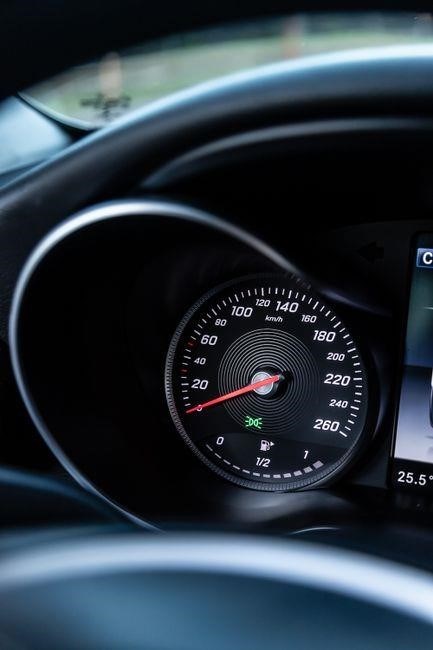
Red (Danger) Lights
The red indicators on a vehicle’s dashboard are the most urgent signals, demanding immediate driver attention. In the “tableau de bord voiture signification pdf” these lights typically include the engine‑check lamp, oil pressure warning, battery/charging system alert, brake system failure, ABS malfunction, airbag system fault, transmission temperature, and sometimes a high‑temperature warning for the engine or transmission. When any of these symbols illuminate, the vehicle’s computer has detected a fault that could compromise safety or cause severe damage if left unaddressed.
Typical red symbols and their meanings are:
- Engine‑Check (Check Engine Light) – Indicates an engine or emission system fault. Check the vehicle’s diagnostic codes.
- Oil Pressure – Low oil pressure can lead to engine seizure. Stop driving immediately.
- Battery/Charging – Low battery voltage or charging system failure. Inspect alternator and battery connections.
- Brake System – Low brake fluid or ABS failure. Check fluid level and brake lines.
- ABS Warning – Anti‑lock braking system malfunction. Drive cautiously and seek service.
- Airbag – Airbag system fault. Do not drive until inspected.
- Transmission Temperature – Over‑temperature warning. Reduce load and allow cooling.
- High Engine Temperature – Engine overheating. Pull over and let the engine cool.
When a red light appears, the first step is to consult the vehicle’s PDF guide for the exact symbol key and recommended actions. If the vehicle is still operable, proceed with caution, but if the light indicates a critical system failure, it is safest to pull over, turn off the engine, and call roadside assistance or a qualified mechanic.
Drivers should also be aware that some manufacturers use a single red “check engine” light to represent multiple issues; the PDF guide will list specific icons for each fault. Regularly reviewing the PDF and keeping it in the glove compartment ensures that you can quickly interpret any red alert and take the correct action, whether that means performing a simple fluid check or arranging for professional diagnostics.
Remember, ignoring a red warning can lead to costly repairs or safety hazards.
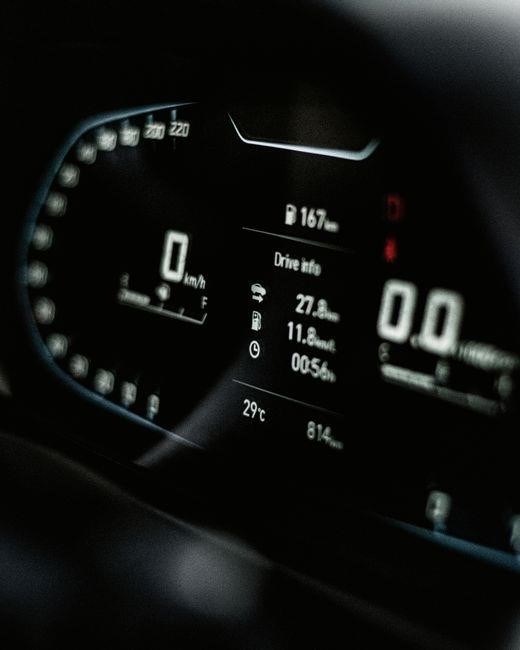
Orange/Yellow (Alert) Lights
Orange or yellow indicators on a vehicle’s dashboard signal non‑critical but important conditions that warrant attention before they become serious. In the “tableau de bord voiture signification pdf” these lights cover a range of systems such as tire pressure, cabin air filter, seat belt reminder, low fuel, low coolant, low brake fluid, and various electronic control alerts. While the vehicle can usually continue operating, each alert should be addressed promptly to maintain performance and safety.
- Tire Pressure Monitoring – Low tire pressure can affect handling and fuel economy. Inflate to the manufacturer’s recommended PSI.
- Seat Belt Reminder – Indicates that a seat belt is unfastened. Fasten immediately.
- Low Fuel – Fuel level is approaching the minimum threshold. Plan a refuel stop soon.
- Low Coolant – Coolant level is low; top up to prevent overheating.
- Low Brake Fluid – Brake fluid is below safe level. Check reservoir and refill.
- Cabin Air Filter – Filter may be clogged, reducing cabin air quality; Replace as recommended.
- Electronic Control Alerts – Includes traction control, stability control, or other driver‑assist system warnings. Review the vehicle’s manual for specific actions.
When an orange or yellow light illuminates, consult the PDF guide for the exact symbol key and recommended steps. Most alerts can be resolved with a quick check or refill, but some may require a visit to a service center. Keeping the PDF handy in the glove compartment ensures that drivers can interpret each alert correctly and take timely action, preventing minor issues from escalating into major repairs.
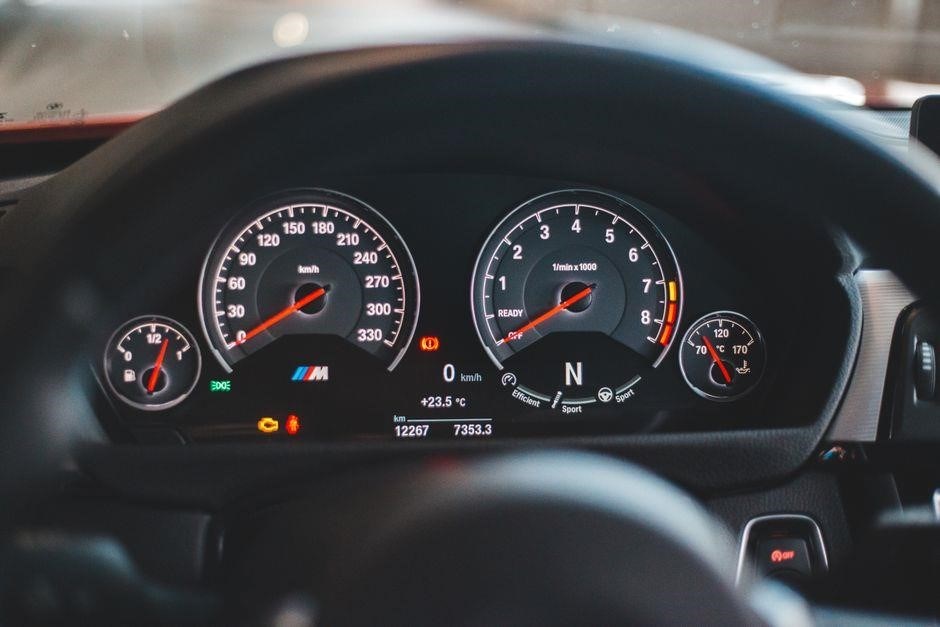
Common Engine-Related Indicators
The “tableau de bord voiture signification pdf” lists several engine‑specific lights that alert drivers to potential mechanical issues. The most frequent include the oil pressure warning, engine temperature gauge, the check‑engine light, and the coolant level indicator. Each symbol is color‑coded: red indicates an immediate danger that requires stopping the vehicle, while orange or yellow signals a condition that should be inspected soon.
- Oil Pressure – A red light means oil pressure has fallen below safe limits. Stop the vehicle immediately, check the oil level, and add oil if necessary.
- Engine Temperature – An orange or yellow light indicates the engine is running hotter than normal. Reduce load, allow the engine to cool, and inspect for leaks.
- Check‑Engine Light – A yellow light triggers when the engine control unit detects a fault. Note the fault code using an OBD‑II scanner or visit a dealer for diagnostics.
- Coolant Level – A red or orange light warns of low coolant. Check the reservoir, top up, and inspect for leaks.
- Battery/Charging System – A yellow light may indicate a weak battery or charging issue. Test the alternator and battery health.
Refer to the PDF’s symbol key for precise meanings and recommended actions. Keeping the guide in the vehicle ensures that drivers can quickly interpret engine warnings and address them before they lead to costly repairs or safety hazards. Always consult your owner’s manual for model‑specific details.Thanks
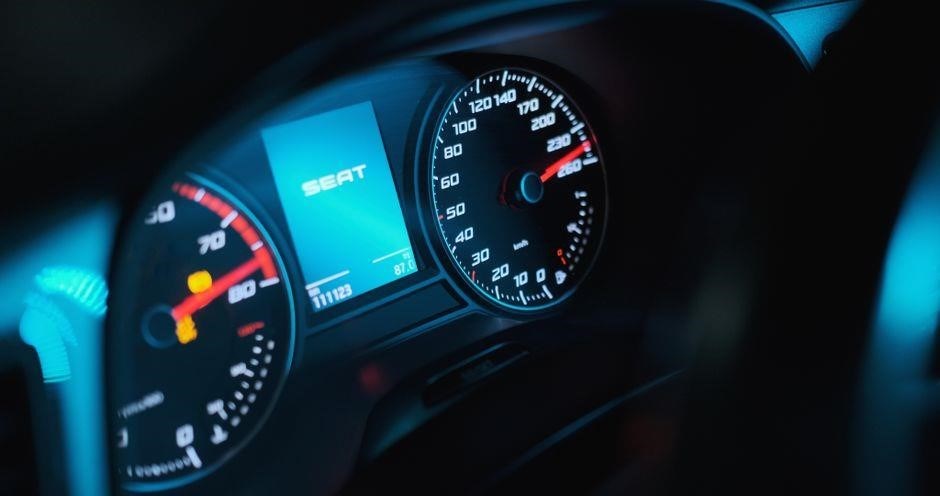
Electrical System Indicators
The “tableau de bord voiture signification pdf” highlights several electrical warning lights that inform drivers about battery, alternator, and charging system status. Common symbols include a red battery icon, a yellow alternator light, and a red or orange warning for the charging system. A red battery light means the battery is not receiving power; stop the vehicle, check the battery terminals, and ensure the alternator is functioning. A yellow alternator light indicates a potential alternator failure; inspect the alternator belt and connections. An orange or yellow charging system light warns of low voltage; check fuses, wiring, and battery health. The PDF’s symbol key explains each light’s meaning and the recommended action, such as adding battery fluid, tightening connections, or seeking professional service. Keeping this guide in the vehicle allows drivers to quickly diagnose electrical issues and prevent breakdowns or loss of power while driving. Always refer to the manufacturer’s manual for model‑specific details.
Drivers should also be aware of the battery’s state of charge, which the dashboard may display as a percentage or a low‑battery icon. If the light remains on after charging, the alternator may be failing. Regular maintenance, such as checking the battery’s age, cleaning terminals, and ensuring the charging cable is secure, can prevent most electrical failures. Remember to keep the manual handy for model‑specific troubleshooting steps. Check battery health regularly.!
Safety System Indicators
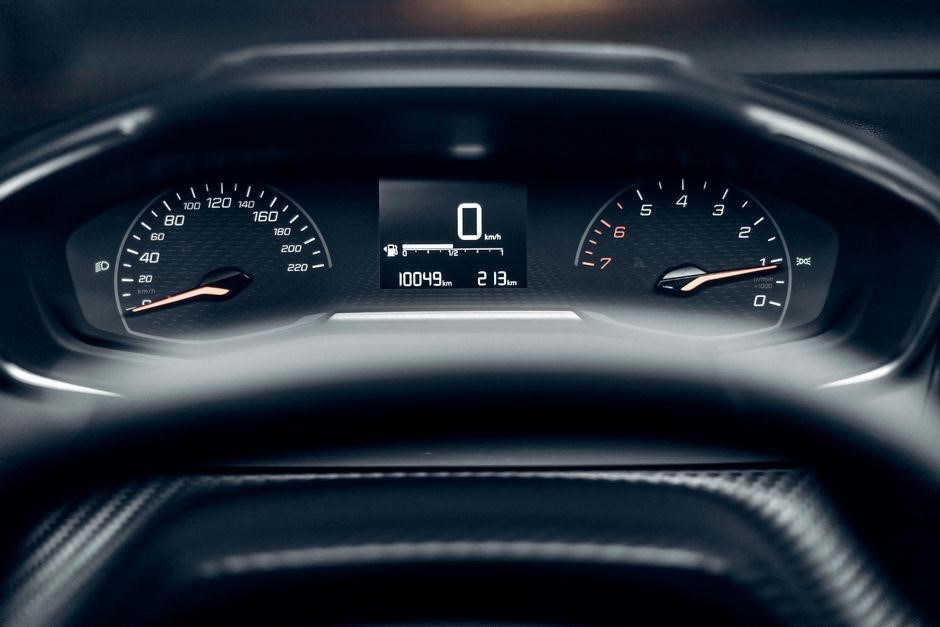
The safety system indicators on a vehicle’s dashboard provide critical alerts about features that protect occupants. Common symbols include the seat‑belt reminder, airbags, anti‑lock braking (ABS), electronic stability control (ESC), traction control, and driver‑assist systems such as lane‑departure warning (LDW) or collision‑avoidance lights. A red seat‑belt icon means the belt is unfastened or the system has detected a fault; the driver should secure the belt immediately; A flashing airbag light indicates a malfunction in the airbag circuit; the vehicle should be inspected by a qualified technician before driving.
ABS and ESC lights illuminate in red when the braking or stability systems detect a problem; this may affect braking performance or vehicle handling. A yellow or orange warning for the traction control system signals reduced traction or a fault that may compromise stability. Lane‑departure or collision‑avoidance lights, usually amber, alert the driver to potential lane drift or imminent collision, prompting corrective action. The dashboard’s safety symbol key in the PDF explains each light’s meaning, the severity of the issue, and recommended steps, such as checking the tire pressure, inspecting brake fluid, or updating software. By keeping the PDF in the glove compartment, drivers can quickly reference the correct response and avoid costly repairs or safety risks. Check these lights regularly to avoid failures todaynow.

Manufacturer-Specific Variations
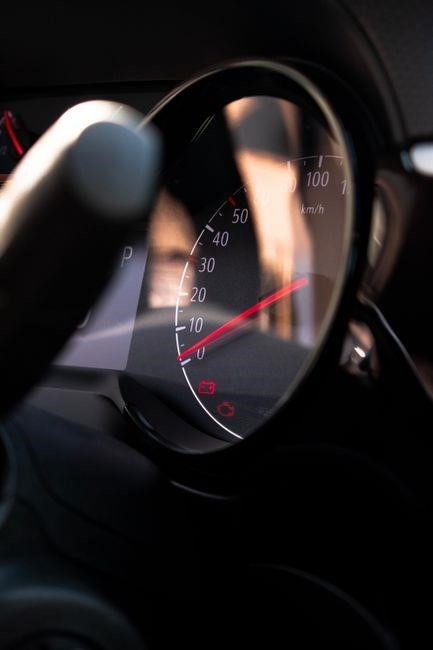
While the core set of dashboard symbols is standardized, each automaker often tailors the iconography to match brand identity and local regulations. For example, a seat‑belt reminder on a European model may appear as a simple red rectangle with a belt icon, whereas a North American counterpart might use a flashing red LED with a stylized belt. Similarly, the airbag warning can be a single red triangle on some brands, but a more elaborate icon featuring a shield and a lightning bolt on others. The ABS light is typically a red circle with “ABS” in the center, yet some manufacturers replace the text with a stylized brake‑disc symbol. In hybrid or electric vehicles, the battery‑management icon can range from a simple battery shape to a full‑color electric‑car silhouette. Even the lane‑departure warning varies: one brand uses a yellow arrow pointing left, another a red “LDW” text. Some luxury makers, such as BMW or Mercedes‑Benz, add a subtle glow to the warning lights, while mass‑market brands like Ford or Toyota keep them flat. The PDF typically includes a brand‑specific icon table, ensuring that the meaning of each symbol is clear regardless of the manufacturer’s design choices. By keeping this document handy, By owners can quickly identify whether a warning is a temporary glitch or a critical fault that requires immediate service. This approach reduces confusion and promotes safer driving habits across all vehicle types. Remember, the key to safety is not just recognizing the symbols, but also acting on them promptly.
How to Use the PDF Guide
Open the PDF, locate the symbol key, match icons.
Consult the troubleshooting section for steps, and remember to update the guide.
Use the PDF during maintenance checks to verify all warning lights return to normal after repairs.
If a light stays on, follow the manual or contact a technician.
Keep the PDF in a pocket or attach it to the glove compartment for quick access.
Remember, the guide is a tool, not a substitute for diagnosis.
Print a copy and place it on the dashboard for reference.
Check lights often!!
Locating the PDF
To find the official dashboard indicator PDF, start by visiting the manufacturer’s website. Most automakers host a dedicated “Owner’s Manual” or “Vehicle Information” section where downloadable PDFs are available. Use the search bar with keywords such as “dashboard light meanings” or “warning light guide.” If your vehicle is from a major brand, a quick Google search for “
Reading the Symbol Key
When you open the PDF, the first page typically contains a symbol key. This key lists each icon, its color, and a concise description. Start by scanning the legend for the most common colors: red for danger, orange for alerts, green for normal operation. Each icon is paired with a brief phrase such as “Check Engine” or “Oil Pressure.” The key may also include a small image of the dashboard area where the light appears, helping you locate it physically. Pay attention to the placement of the symbols; some manufacturers use a “triangle” shape for warnings, while others use a “circle.” If the PDF uses a table format, the left column usually holds the icon, the middle column the color, and the right column the meaning. Some documents add a third column with recommended actions, like “Reduce speed” or “Call roadside assistance.” If you’re unsure about a symbol, cross‑reference it with the vehicle’s manual or the manufacturer’s online FAQ. Many PDFs also provide a QR code that links to an online video demonstration. For quick reference, you can print the symbol key and keep it in the glove compartment; When a warning light illuminates, refer back to the key to identify the issue immediately. This process saves time and reduces the risk of misinterpreting a critical alert. Always keep the PDF updated, as newer models may introduce new symbols or change the meaning of existing ones. By mastering the symbol key, you’ll be better equipped to respond promptly and safely on the road. Remember, the dashboard lights are your vehicle’s early warning system; promptly addressing each alert can prevent costly repairs and keep you safe on every journey.
Storing the Document
Once you have downloaded the “tableau de bord voiture signification” PDF, it’s essential to preserve it in a way that guarantees quick retrieval and long‑term safety. On smartphones, create a dedicated folder called “Vehicle Guides” inside the default Documents or Files app. Move the PDF into this folder and enable cloud sync with services such as iCloud, Google Drive, or OneDrive. This ensures the file is automatically backed up and can be accessed from any device, even if the phone is lost or damaged.
On a laptop or desktop, establish a folder hierarchy: for example, “My Cars > 2026 Model > Manuals > Dashboard Symbols.” Store the PDF in this folder and keep a copy on an external USB drive or an encrypted external hard drive. Label the external drive with the year and vehicle model to avoid confusion with other backups.
For those who prefer a tangible reference, print the PDF in high‑resolution, preferably on thick paper or cardstock. Laminate the pages to protect against moisture and wear; Place the laminated copy in a waterproof pouch or a dedicated compartment in the glove box. Use a clear label such as “Dashboard Symbols – 2026” so that you can instantly locate it during a roadside stop. If you drive a fleet, consider a central repository in a secure vehicle storage unit, with each car’s manual labeled by VIN.
Maintain version control by naming the file with the year and model, e.g., “Dashboard_Symbols_2026_ModelX.pdf.” When the manufacturer releases an updated guide, replace the old file and archive the previous version with a date stamp. Schedule a quarterly review to confirm the PDF remains accessible, especially after software updates that may alter file permissions. For added convenience, add a bookmark or pin the PDF to the home screen of a tablet or smartphone that sits in the vehicle. This allows you to glance at the symbols without pulling out a physical manual, reducing distraction.
By combining digital and physical storage, using cloud backup, and implementing a clear naming convention, you create a resilient system that protects the dashboard symbol key from loss, damage, or obsolescence. This preparedness ensures you can always consult the guide promptly, enhancing safety and confidence behind the wheel.
Additionally, consider creating a PDF bookmark set within the file itself, grouping symbols by color or system. This internal navigation speeds up lookup during a drive. If you use a PDF reader that supports annotations, highlight the most critical warnings so they stand out when you open the file. Finally, keep the PDF updated by subscribing to the manufacturer’s email alerts or checking their support site annually. This proactive approach guarantees that your dashboard symbol reference remains accurate and reliable, no matter how many miles you log.
Recommended Actions for Each Warning
Consult the PDF for each alert. For red lights, stop immediately, check the indicated system, and call roadside assistance if unresolved. For orange/yellow, address the issue before driving further; schedule a service appointment. Always refer to the symbol key for specific actions. Use guide. Stay safe
Immediate Safety Steps
When a red or orange warning lights up, follow these steps to protect yourself and your vehicle. First, pull over to a safe spot, away from traffic. Turn off the engine, but keep the key in the ignition to preserve battery power for diagnostics. Next, consult the PDF guide to identify the exact symbol. If the light indicates engine overheating, open the hood and check the coolant level; add coolant or water if low, but never open the radiator cap while hot. For low oil warnings, check the dipstick and top up oil if necessary. If the battery light is on, inspect the battery terminals for corrosion and tighten connections. For tire pressure alerts, use a portable gauge to verify each tire’s PSI and inflate to the manufacturer’s recommended value. If any warning persists after these checks, do not drive the vehicle; call roadside assistance or a qualified mechanic. Always keep the PDF guide in your glove compartment for quick reference during emergencies. The PDF guide also offers troubleshooting tips and maintenance schedules to help you stay ahead of potential issues, ensuring your vehicle remains reliable and safe for every journey. Remember to keep your emergency kit, spare tire, and jack within reach, as these tools can be crucial if a warning leads to a sudden breakdown. Stay alert. Always!?
When to Seek Professional Help
Even if you can address a dashboard warning with a quick fix, certain conditions demand expert attention. If the red engine warning persists after checking oil, coolant, and spark plugs, a deeper diagnostic is required. A lingering battery light, especially after a jump‑start, may indicate a failing alternator or battery that needs replacement. Persistent tire pressure alerts that do not resolve after inflating to the correct PSI suggest a puncture or valve issue that should be inspected. A flashing or steady brake light indicates a brake fluid leak or worn pads, requiring immediate brake service. A transmission warning that appears during shifting may signal low fluid or a slipping clutch; professional service is essential to avoid damage. Any warning that forces you to pull over should be evaluated promptly. If the vehicle’s computer logs error codes that cannot be decoded by the PDF guide, a shop equipped with OBD‑II scanners can retrieve and interpret them. Finally, if you notice unusual noises, vibrations, or a loss of power after a warning lights up, stop driving and seek professional help to prevent further damage or safety hazards.
Professional help is also needed if the warning appears during a test drive or after a repair, suggesting a fault not fully resolved. If the check engine light stays on after a reset, or multiple lights activate, schedule a certified technician for a full diagnostic to ensure all systems are safe before driving again.!Thanks
Accessing and Printing the PDF
To view the dashboard indicator guide, open the vehicle’s official website or the manufacturer’s support portal. Search for “dashboard lights meaning PDF” or navigate to the owner’s manual section. Most sites host a downloadable PDF that contains a full list of symbols, color codes, and recommended actions. Once the file is located, click the download icon to save it to your device. If you prefer a hard copy, use the built‑in print function: open the PDF in a browser or PDF viewer, then select File → Print. Adjust the page layout to portrait, set the scale to 100 %, and choose a printer that supports high‑resolution output. For mobile users, tap the share icon and select “Print” from the options; this will send the document to any AirPrint‑compatible printer. After printing, store the sheet in a convenient place in the glove compartment or a dedicated folder so you can refer to it while driving. If you need a second copy, simply repeat the print process or use a PDF editor to create a duplicate file. By keeping the guide handy, you’ll quickly recognize warning lights and take appropriate action without delay.
When printing, select “Fit to Page” to avoid clipping. Enable duplex printing to save paper. Store a backup on USB or cloud storage.
Keep the guide in the glove compartment for reference while driving. Periodically review the symbols to stay familiar with updates. Check the vehicle’s service manual for changes, as manufacturers may update dashboard indicator meanings with models!?